Sterile Hangar Environments, Heavy-Iron Situational Awareness, and Strict AMM Masking Protocols to Protect Your Most Valuable Assets.
What We Prevent
$5M Hangar Keepers Liability
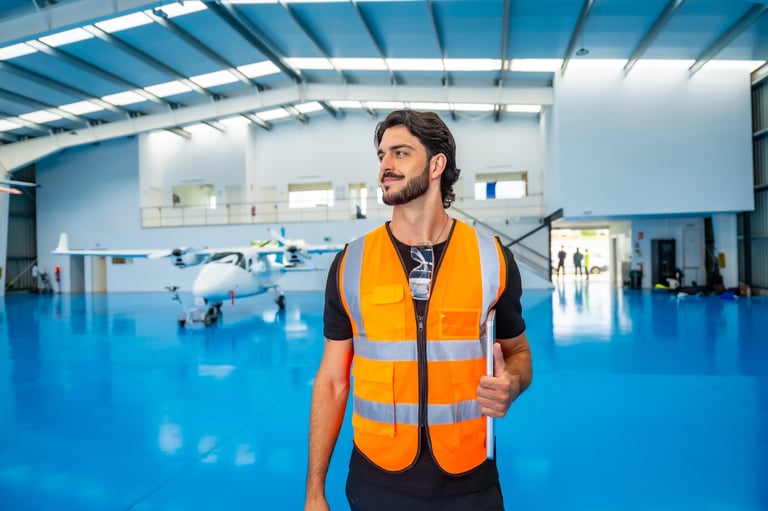
OSHA-10 Certified
100% Silicone-Free
Cordless Hangar Footprint
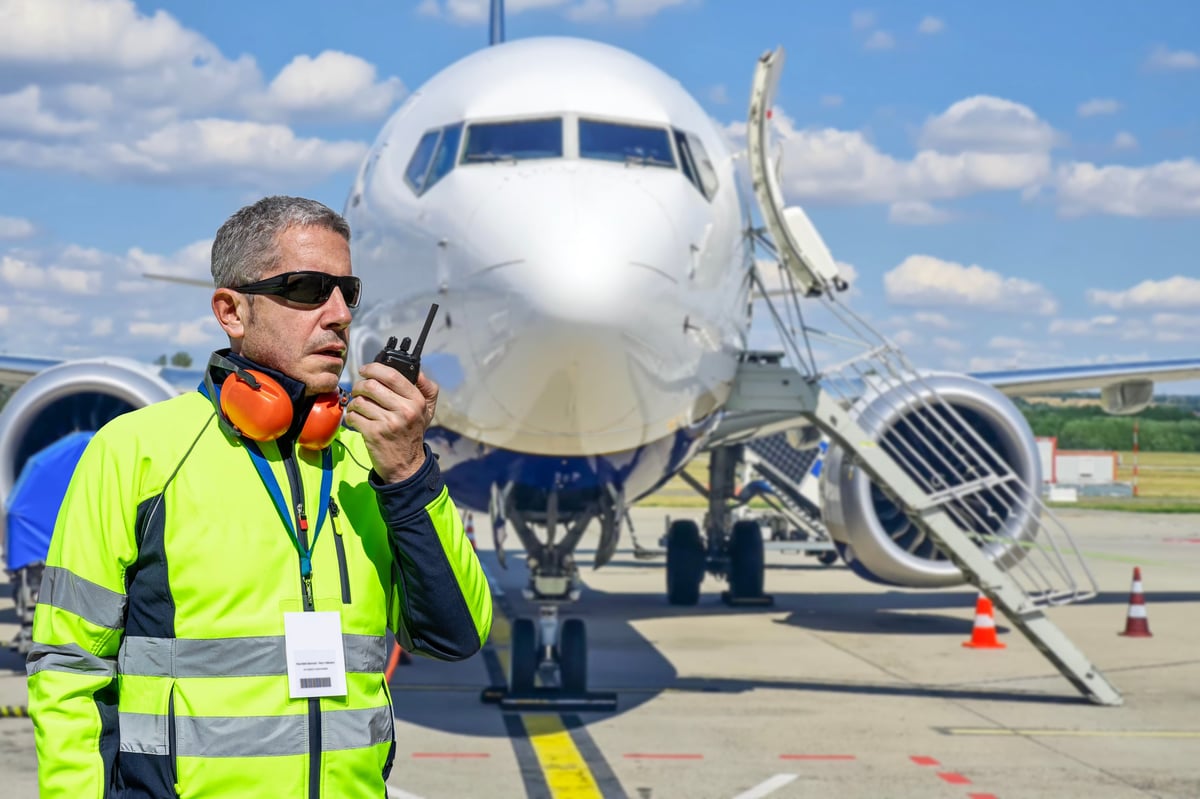
Operating mobile equipment around tightly packed corporate hangars and transient FBO ramps leaves zero margin for error. Hangar rash costs flight departments millions in downtime and insurance claims.
AllSouth Aircraft Detailing approaches the flight line with heavy-equipment spatial awareness. Our technicians are strictly trained in "sterile ramp" disciplines: maintaining mandatory clearance radiuses from tugs and fuel trucks, utilizing high-visibility spotters during all vehicle movements, and deploying high-visibility cones around our operational footprint to ensure line-service vehicles can safely navigate around our work zone.
Standard Operating Discipline
High-visibility spotters on every vehicle movement. Coned operational footprint. Radio contact with line service before we unload a single cart.
Mandatory standoff from tugs, fuel trucks, and GSE in active movement lanes.
A dedicated spotter walks every vehicle movement — no exceptions, no solo reversing.
High-visibility cones mark our work zone so line service can route around us safely.
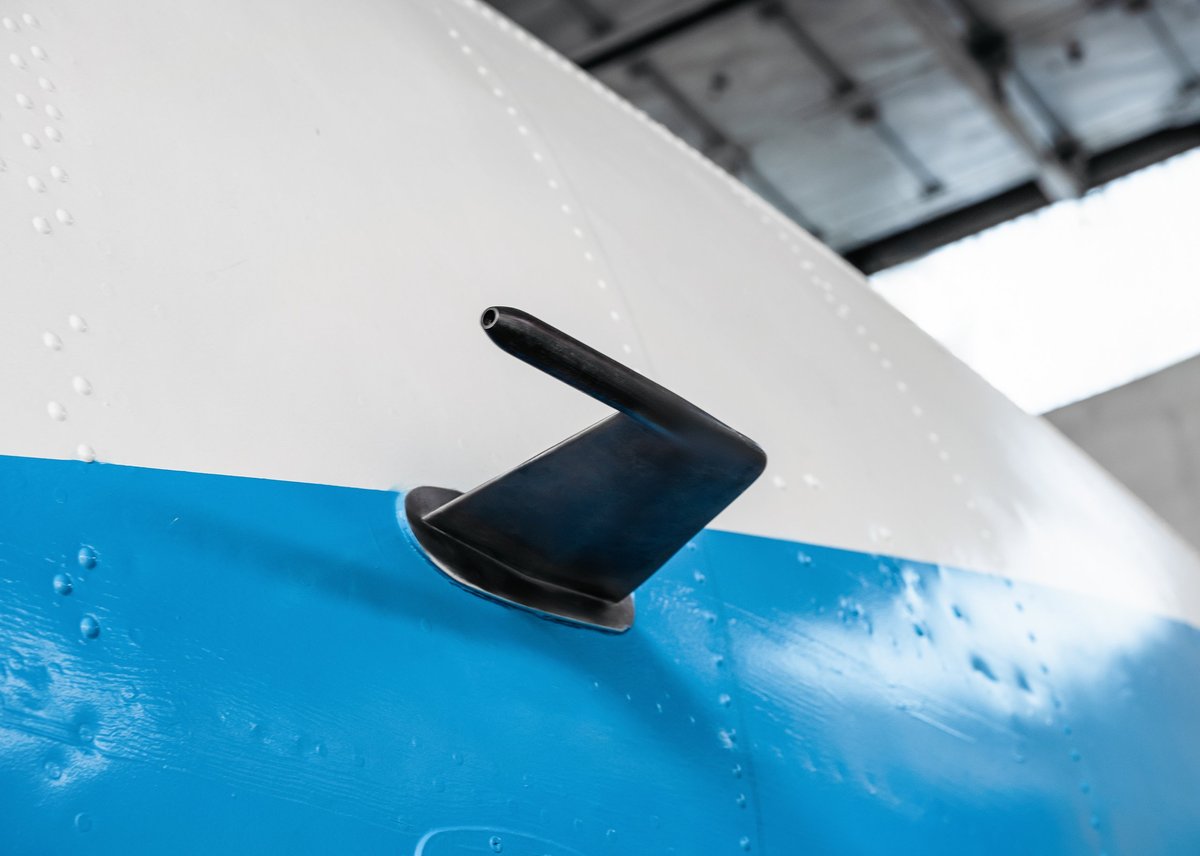
A microscopic amount of compounding dust inside a static port can ground an aircraft and force a costly pitot-static system recalibration.
Before a single chemical is unsealed or a polisher is powered on, our crews execute a strict Aircraft Maintenance Manual (AMM) walkaround. We utilize high-visibility aviation masking tapes and physical covers to secure:
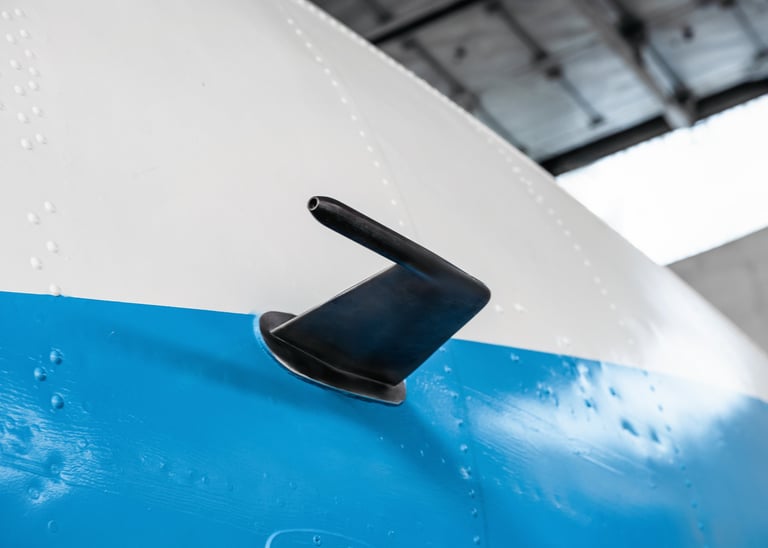
Pitot tubes, static ports, and Angle of Attack (AOA) vanes.
Engine acoustic liners and bleed-air micro-perforations.
Rubber de-ice boots and composite-to-metal seams.
Landing gear micro-switches and greased zerks.
Masked Before Contact
High-visibility aviation tape and physical covers go on before a polisher is powered up.
Why It Matters
A blocked static port doesn't just cost a recalibration — it can silently compromise airspeed and altitude indications on the next departure.
Many consumer-grade detailers use cheap, silicone-heavy tire dressings and spray waxes. In an aviation environment, aerosolized silicone is a disaster. It floats through the hangar and contaminates bare metal and polyurethane paint.
If an aircraft goes into an MRO for a paint touch-up or a new boot installation, silicone contamination causes the new paint to physically repel from the surface (known as "fisheyeing").
AllSouth is a 100% Silicone-Free operation. Every compound, ceramic, and degreaser on our trucks is silicone-free, ensuring your airframe remains fully prepped for future maintenance, paint, and adhesive work.
No Silicone Dressing
Repaint-Ready Substrate
Full SDS Registry
What Fisheyeing Costs You
Aerosolized particles from spray wax and tire shine settle across the airframe and surrounding facility.
New topcoat physically repels from the contaminated surface, leaving cratered "fisheyes" across the repair.
Days of extra downtime and a second booth slot — for a problem that started with a $12 bottle of spray wax.
Zero silicone ever crosses our threshold.
A traditional detailing setup involves 100-foot extension cords and heavy air hoses dragging across the hangar floor—creating massive trip hazards for mechanics, pilots, and line crew.
We operate utilizing modern, autonomous cordless technology. From our forced-rotation polishers to our high-CFM Dyson interior extraction systems, our operational footprint is entirely wireless. We do not require FBO power hookups, we eliminate trip hazards, and we never drag abrasive cords across your hangar's epoxy floors or your aircraft's landing gear.
Battery-driven, no air line tethering a technician to a wall port.
Interior deep-clean power without a single hose crossing the hangar.
We never ask your facility to spare a circuit or trip a hangar breaker.
Nothing abrasive is ever dragged across your hangar surface or gear legs.
Ready to review our safety documentation? Visit our Flight Department Vendor Onboarding portal to instantly request our Certificate of Insurance, W-9, and OSHA-10 credentials, or contact our Operations Desk directly.
Pre-Work Walkaround
Sensor Masking
Documented Protocol
These images show the meticulous masking procedures and visual hazard identification we require around sensitive aircraft sensors and de-ice boots before polishing begins.
Request the full compliance dossier — COI, W-9, OSHA-10 cards, and SDS registry — in one submission.
Request PacketSpeak directly with our safety lead about ramp access, escort requirements, or AOG scheduling.
(770) 694-0088Where These Protocols Apply